
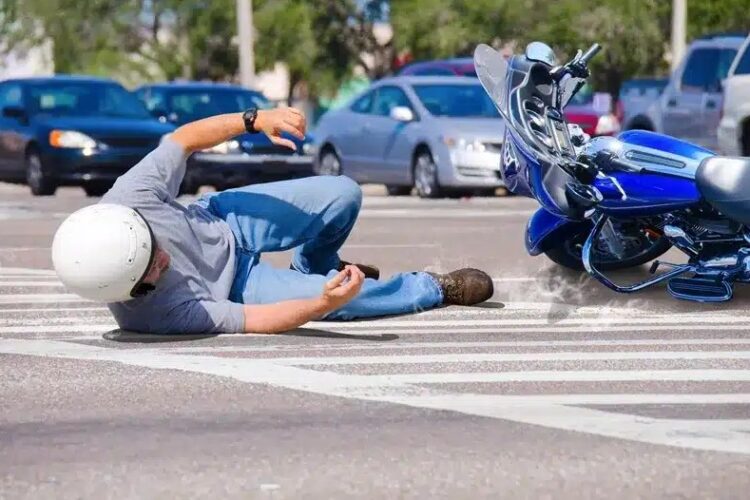
Anti-motorcycle bias is real, it’s documented, and it costs injured riders money. Insurance adjusters assume bikers are reckless. Police accident reports sometimes reflect this assumption without evidentiary support. Juries in civil cases have been shown to carry negative preconceptions about motorcyclists before hearing a single fact. In Burbank motorcycle accident cases, overcoming this bias isn’t optional—it’s the foundation of effective representation.
Understanding where this bias shows up—and how attorneys counter it with evidence—matters for every rider who gets hurt on Burbank roads.
Where Anti-Rider Bias Appears in the Claims Process
Police reports sometimes characterize rider behavior as reckless or unsafe without investigation—based on assumptions about motorcyclists rather than evidence at the scene. Insurance adjusters reference the absence of a helmet as evidence of general recklessness even when helmets are legally optional for adult riders and irrelevant to the specific injuries claimed. Early settlement offers reflect fault percentages that assign riders 20–30% comparative fault without factual basis.
At trial, jury selection research consistently shows that a meaningful percentage of jurors enter deliberations with negative views of motorcyclists. Defense attorneys know this and exploit it by referencing speed, lane positioning, and riding choice in ways that have nothing to do with the specific facts of the crash.
How Evidence Defeats Bias
Traffic camera footage showing the rider proceeding lawfully is the most powerful counter to narrative bias. Accident reconstruction analysis that establishes the rider’s speed from physical evidence—rather than assumption—counters ‘they must have been speeding’ without a speed estimate. Witness testimony about the moments before impact, from people who have no stake in the outcome, carries more weight than any party’s characterization.
Top Motorcycle Accident Attorneys in Burbank
1. Avian Law Group
Avian Law Group’s Burbank motorcycle accident attorneys approach every case with anticipation of the bias arguments that will be raised and preparation of the evidence that defeats them. Several attorneys ride, which means they understand motorcycle dynamics, California lane-splitting law, and how to explain rider behavior to audiences who may never have ridden.
Their investigation is motorcycle-specific: lane positioning legality, road surface conditions that affect motorcycles differently than cars, visibility from the other driver’s perspective, and the physics of motorcycle crash dynamics. They work with motorcycle-specific accident reconstruction experts and challenge police report characterizations directly when evidence doesn’t support them.
2. The Dominguez Firm
Motorcycle accident reconstruction capabilities specifically applied to rider bias claims; substantial verdict history on serious injury cases.
3. Citywide Law Group
Anti-bias case preparation from day one; uses expert testimony and trial presentation strategy specifically designed for motorcycle cases.
4. West Coast Trial Lawyers
Multiple seven-figure motorcycle verdicts demonstrating ability to overcome jury bias and secure fair compensation for seriously injured riders.
5. The Reeves Law Group
Comprehensive bias-challenge representation including police report correction, expert rebuttal, and aggressive counter-narrative development.
California Motorcycle Law Facts That Protect Riders
Lane splitting is legal in California when done safely under CVC 21658.1. Adult riders are not required by law to wear helmets—failure to do so is not negligence unless the specific injury would have been prevented by a helmet. Motorcycles have the same right-of-way as any other vehicle. Drivers who fail to see motorcyclists they had a duty to see are not protected by that failure.
Document everything after crashes: scene photos, gear condition, witness contacts, and medical records from immediate treatment. California’s two-year statute of limitations applies; early attorney involvement preserves the evidence that counters bias narratives.
