

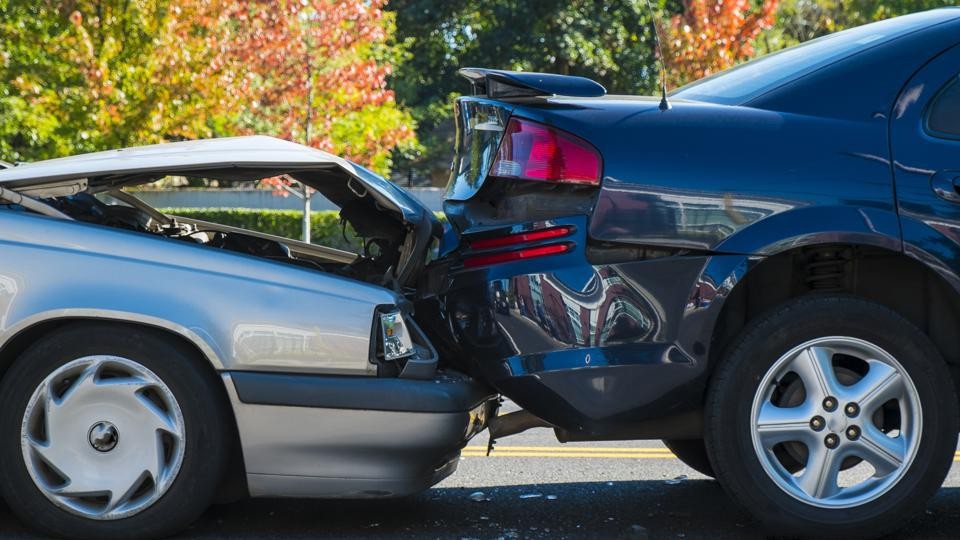
Rear-end car accidents are common and can lead to complex legal disputes. Understanding the legal elements of proof necessary in these cases is crucial for anyone involved. This article delves into the key aspects that must be demonstrated to establish liability and secure fair compensation.
1. Establishing Duty of Care
The first element in proving a rear-end car accident case is establishing that the at-fault driver had a duty of care. All drivers are expected to operate their vehicles safely, adhering to traffic laws and maintaining a reasonable speed. This duty of care is a fundamental principle in any car accident case.
2. Breach of Duty
Once the duty of care is established, it must be shown that the driver breached this duty. This breach could involve various forms of negligent behavior, such as distracted driving, speeding, or failing to maintain a safe distance. Demonstrating that the at-fault driver acted negligently is critical in proving liability.
3. Causation
Causation links the breach of duty to the injuries sustained in the accident. It must be proven that the negligent actions of the driver directly caused the collision and resulting damages. This often requires thorough evidence, including accident reports, witness testimonies, and expert analysis.
4. Damages
The final element involves proving the damages incurred due to the accident. This includes medical expenses, lost wages, property damage, and non-economic damages like pain and suffering. Accurate and detailed documentation is essential in substantiating these claims.
5. Gathering Evidence
Collecting substantial evidence is vital in a rear-end car accident case. Photos of the accident scene, damage to vehicles, and any visible injuries provide visual proof. Police reports offer an official account of the incident, while medical records detail the extent of injuries and treatment received.
6. Role of Expert Witnesses
Expert witnesses can play a significant role in establishing the elements of proof. Accident reconstruction specialists, medical professionals, and economic experts can provide valuable insights and strengthen the case. Their testimony can help clarify complex aspects and support the claims made.
7. Importance of Legal Representation
Navigating the legal complexities of a rear-end car accident case can be challenging without professional help. A rear end accident lawyer in Las Vegas can offer invaluable assistance, ensuring that all necessary evidence is gathered and presented effectively. Their expertise can significantly impact the outcome of the case.
8. Statute of Limitations
It’s crucial to be aware of the statute of limitations for filing a claim. In many jurisdictions, there is a limited timeframe within which a lawsuit must be filed. Failing to act within this period can result in the loss of the right to seek compensation.
9. Settlement Negotiations
Most rear-end car accident cases are resolved through settlements rather than court trials. Negotiating a fair settlement requires a clear presentation of evidence and a strong argument for the damages claimed. Legal representation can be particularly beneficial during this process.
Final Thoughts
Anyone involved in rear-end car accident cases must understand the legal elements of proof. Key components include establishing a duty of care, proving a breach of this duty, demonstrating causation, and substantiating damages.
Gathering robust evidence, leveraging expert witnesses, and seeking legal representation are critical steps in building a strong case. Acting promptly within the statute of limitations and effectively negotiating settlements can lead to a favorable resolution.

