

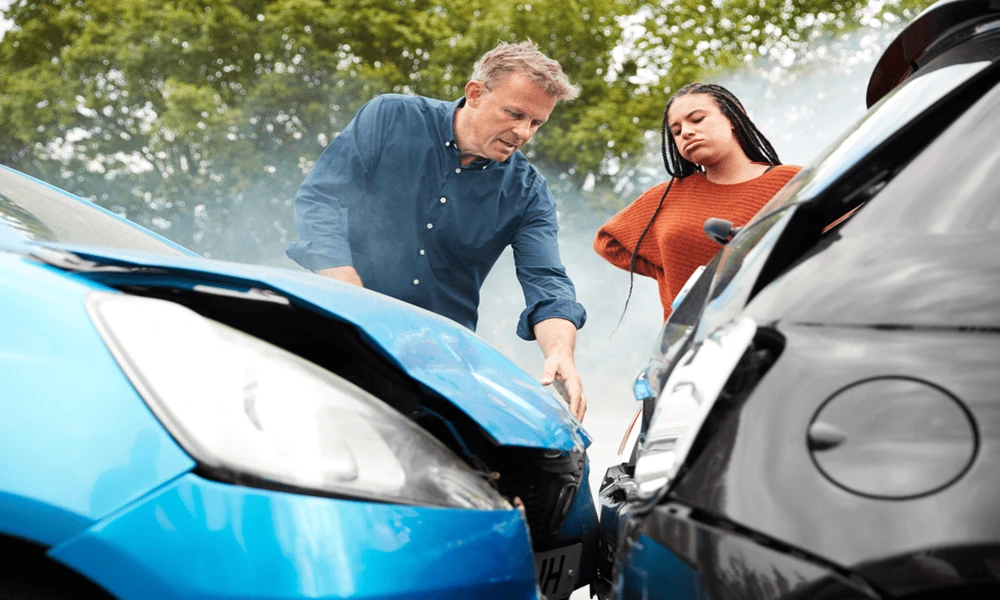
A car can leave an accident with little more than a scratched bumper while someone inside suffers a painful injury. Insurance companies often examine repair estimates and photographs when reviewing injury claims, but those details don’t tell the full story. The amount of visible damage doesn’t always reflect the physical harm a driver or passenger experienced during the collision.
A Bumper Can Absorb Damage Without Protecting Every Body Part
Modern vehicles have bumpers, reinforced frames, and other parts designed to manage crash forces. These features can limit visible damage during certain collisions, but they cannot prevent every injury. A person’s head, neck, and torso may still move suddenly as the vehicle changes speed or direction. Even a collision that leaves the car drivable can cause neck strain, back pain, or other injuries that need medical attention.
The direction of impact also matters. A rear-end collision can push a person’s body against the seat while the head moves differently from the torso. Side impacts may cause occupants to strike interior surfaces or experience sudden sideways movement. Vehicle photographs cannot show these movements, which is why medical findings and accident details matter more than appearance alone.
Why Similar Crashes Can Cause Very Different Injuries
Two drivers involved in comparable collisions may experience completely different physical effects. Seat position, head restraint height, body posture, and whether someone anticipated the impact can influence how the body responds. Previous injuries or medical conditions may also affect recovery, although their presence doesn’t automatically mean the accident caused no additional harm.
Symptoms may develop or become more noticeable after the initial shock wears off. Someone who feels fine at the scene might experience headaches, stiffness, or limited movement later. Certain symptoms require prompt medical assessment, especially worsening headaches, weakness, confusion, or numbness. People searching for a car accident lawyer near me may also need guidance on documenting these changes when insurers question injuries associated with minor vehicle damage.
Repair Estimates Cannot Measure Pain or Physical Limitations
An auto repair estimate describes the cost of restoring a vehicle, not the condition of its occupants. Labor rates, replacement parts, and vehicle design determine repair expenses. A cracked plastic bumper might cost hundreds of dollars to replace without revealing much about the forces experienced inside the car. Likewise, expensive bodywork doesn’t automatically establish that someone suffered a severe injury. A personal injury attorney can review the available evidence without treating repair costs as a medical diagnosis.
Medical examinations provide a different kind of information. Doctors consider symptoms, physical findings, medical history, and test results when assessing injuries. Imaging may identify certain problems, but ordinary X-rays don’t show every type of soft tissue injury. Treatment records also help establish how symptoms developed and whether they affected daily activities.
Minor Damage Arguments Can Affect Insurance Settlement Offers
Insurers may question whether a collision caused the reported injuries when photographs show limited vehicle damage. This can lead to requests for additional medical records, closer review of treatment expenses, or lower settlement offers. However, the absence of extensive damage does not establish that an injury is impossible. A fair review should consider the crash circumstances, medical evidence, and whether another explanation better accounts for the symptoms.
Delays in seeking treatment can make these disputes more difficult. An insurer may argue that symptoms came from another event or a previous condition. Clear medical records can help explain the connection between the accident and the reported injuries. Experienced accident and injury lawyers examine these issues, while people comparing auto accident lawyers near me should ask how attorneys handle disputed injury claims involving low repair estimates.
What Evidence Matters More Than the Car’s Appearance?
A well-supported injury claim brings together several types of evidence rather than relying on vehicle photographs alone. Emergency room records, follow-up examinations, treatment notes, and work restrictions can show how an injury affected someone’s health and routine. Witness statements, collision reports, and available video may help explain the impact itself. Medical opinions can also address whether the reported symptoms are consistent with the accident. For Alabama residents searching for a personal injury lawyer Huntsville AL, Wolfe Jones handles car accident injury claims, including cases involving disputed liability and insurance compensation. Its attorneys can examine medical documentation and accident evidence to help injured individuals address claims that their injuries are too serious for the visible vehicle damage.

