
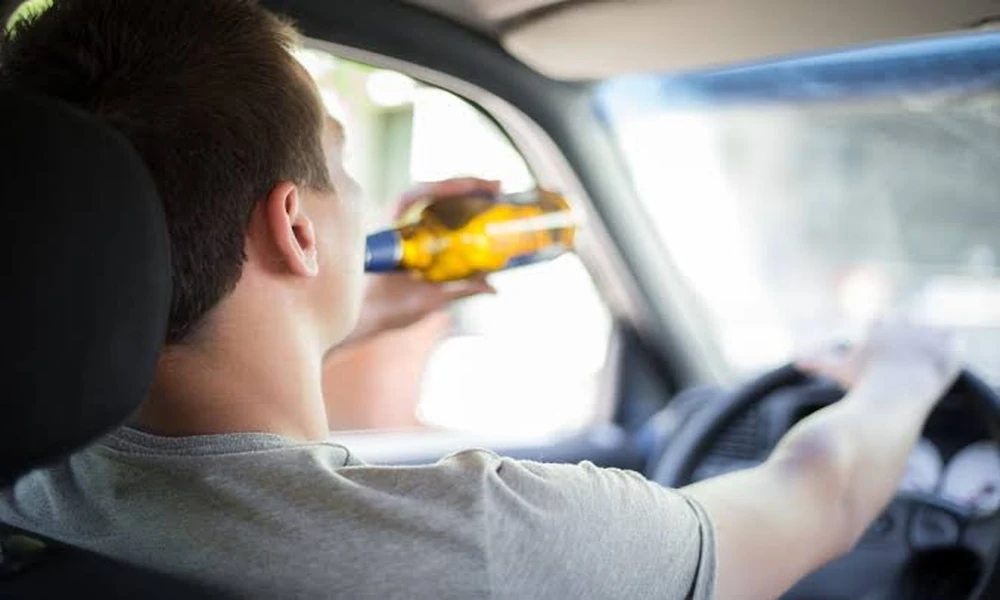
One of the base foundations for any successful “Driving While Intoxicated” charge is a Breathalyzer test. This neat little device measures how much alcohol content is present in your breath. Beyond certain levels, the test basically tells law enforcement that yes, you are actually operating a vehicle while being drunk.
However, taking the Breathalyzer Test is completely optional. When pulled over for suspicion of Driving While Intoxicated (DWI) in Houston, you may face the decision of whether to take a Breathalyzer test. Many drivers believe refusing the test is a safer option, assuming that without this evidence, they cannot be convicted.
However, according to the expert lawyers at Tad Nelson Law, the option to refuse a breathalyzer test is in itself a false choice. Refusing a breathalyzer can have serious legal consequences and may not provide the protection you think! In fact, it may even jeopardize any potential defense you had completely. Here’s why…
Implication of Implied Consent Laws
In the United States, implied consent laws apply. This means that when you receive a driver’s license, you automatically agree to submit to chemical tests – such as breathalyzer, blood, or urine tests – if law enforcement suspects you of driving under the influence of alcohol or drugs. Refusing to take the test can lead to immediate penalties.
Automatic License Suspension
One of the most immediate consequences of refusing a Breathalyzer test is an automatic license suspension. If you refuse, the Texas Department of Public Safety (DPS) can suspend your driver’s license for 180 days. For repeat offenders, the suspension can last up to two years.
Potential for Lesser Penalties
Some drivers refuse a breathalyzer because they hope it will result in lesser penalties. While a refusal might prevent the police from having direct evidence of your Blood Alcohol Concentration (BAC), it doesn’t guarantee a better outcome. Prosecutors can use your refusal against you in court, suggesting that you refused because you knew you were intoxicated.
Avoiding Warrant from Blood Tests
Refusing a breathalyzer does not necessarily mean that law enforcement won’t obtain evidence of your intoxication. In Texas, if you refuse to take the test, the officer can apply for a warrant to conduct a blood test. This can take time, but once the warrant is approved, officers can draw your blood and measure your BAC. Blood tests are generally considered more accurate than breathalyzer tests, meaning that refusing may simply delay-rather than prevent-the collection of incriminating evidence.
Judicial Perception
Refusing a breathalyzer can also influence how the court and the judge perceive your case. Courts may view your refusal as a sign of non-cooperation, which can lead to harsher treatment during the trial or sentencing. Judges, who have discretion in DWI cases, may take your refusal into account when determining penalties.
Defense Opportunities
One reason drivers refuse breathalyzer tests is the belief that they will be unable to challenge the results if they submit to the test. However, expert attorneys are often able to successfully challenge the accuracy of breathalyzer tests in court. Breathalyzers are machines, and like any machine, they can malfunction or be improperly calibrated. Additionally, external factors like certain medical conditions, dietary choices, or equipment errors can lead to false readings.
Overall, refusing to take a Breathalyzer test leads to an unstoppable toppling of dominoes, completely jeopardizing any defensive option you had in case of a drunk driving incident. As such, there are 2 key learnings to take from here, beyond avoiding driving drunk. First, never refuse a breathalyzer test. Second, engage the services of an expert attorney to immediately identify legal defense options.
Ms Aditi Sharma, Advocate, Delhi High Court, Jotwani Associates, Intellectual Property Rights. This article is written by Aditi Sharma, an experienced lawyer with a proven history of working in the Legal Industry. Key areas of expertise: Legal drafting, Divorce Law, Corporate Law, Family Law, Criminal Law, Property Law, Patent Law, Civil Law, etc.